 中文版







 Location:
Walking into the woodworking workshop, pieces of raw wood and creative plans gradually take shape in students’ hands.

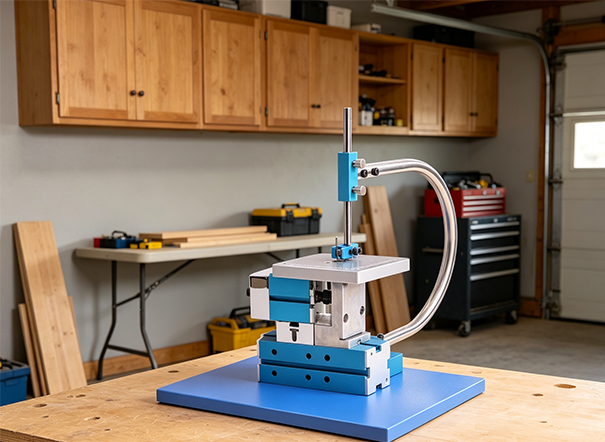
Walking into the woodworking workshop, pieces of raw wood and creative plans gradually take shape in students’ hands.
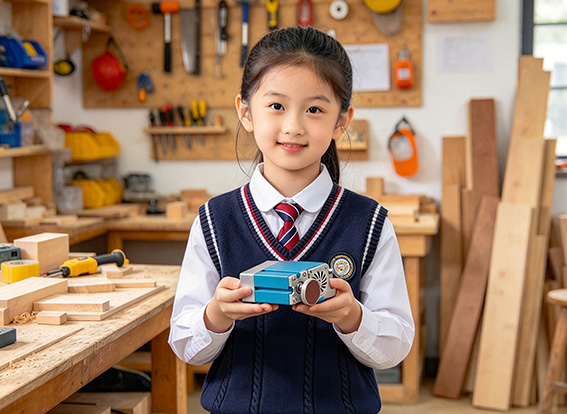
Students first use simple materials to master basic operations such as sawing, drilling, and grinding, and then move on to model making with functional goals—pen holders, small chairs, Luban locks, bridge models—and ultimately to designs driven by real needs.
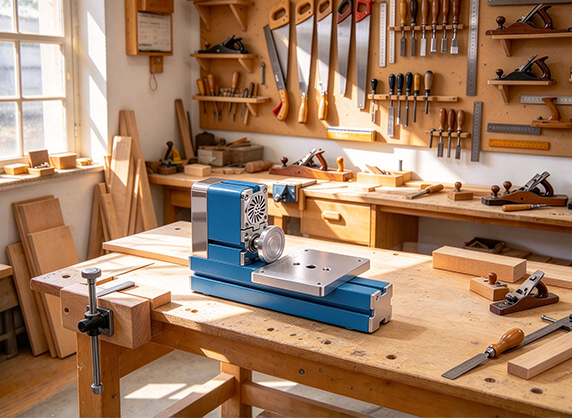
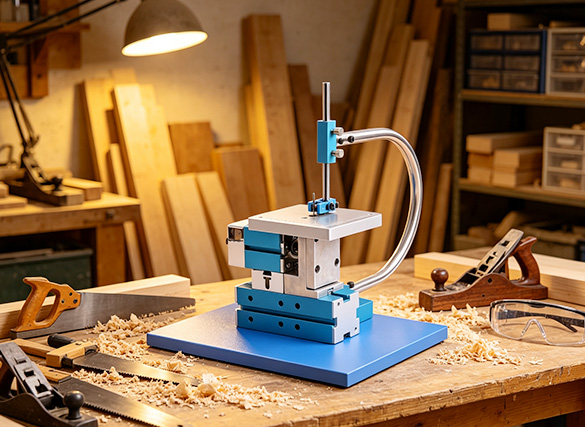
The grinder operates on a safe power supply. There are no plastic parts in the body, greatly improving the equipment’s stability and durability. It can be used for polishing and grinding.
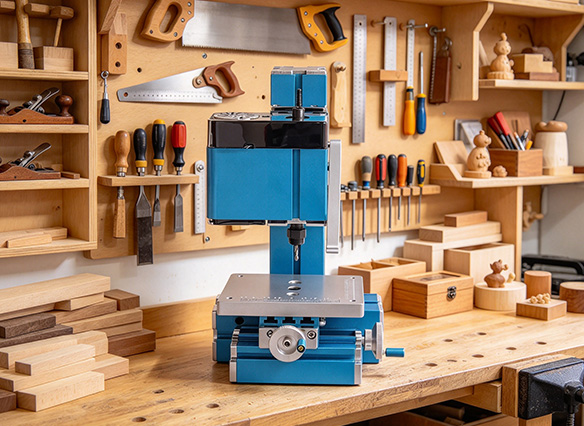
The reduction in equipment scale not only lowers the kinetic energy and risk of a single operation, but also enables woodworking teaching to move from dedicated labor and technology classrooms into broader maker spaces and ordinary classrooms.
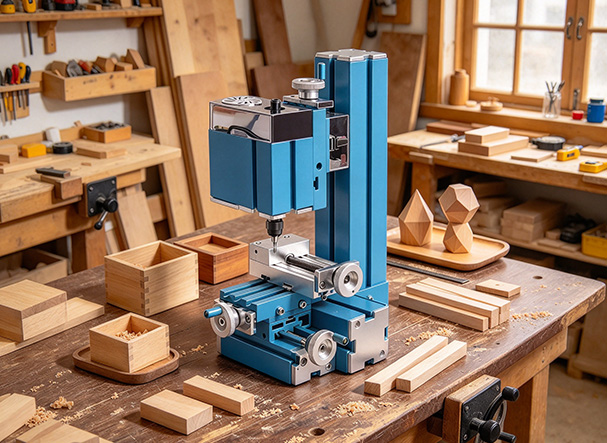
A single machine can complete multiple woodworking processes such as sawing, drilling, sanding, and turning, and can easily process common materials such as softwood, basswood, and pine.

From maker space to safety machine tools, from engineering enlightenment to innovative practice, this path is closely linked.
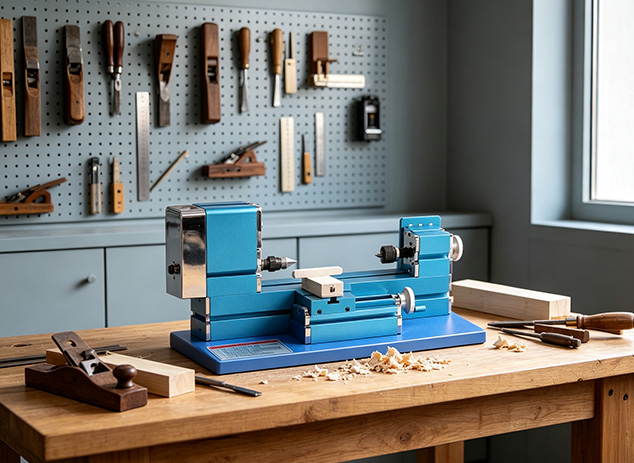
Wood is highly workable and easy to handle, making it very suitable for beginners to make prototypes, and it is also a good place for experienced makers to calm their minds.
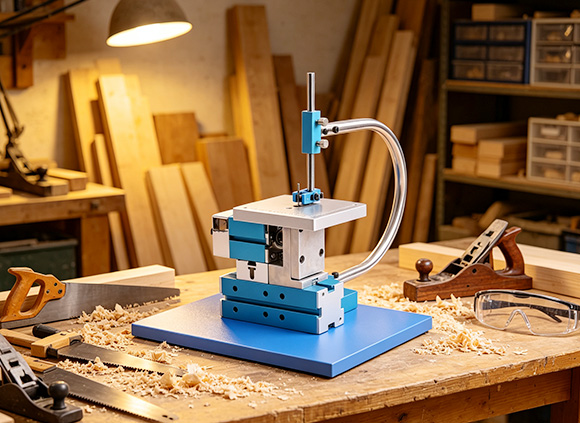
As a maker tool integrating safety, practicality, and educational value, the Student Safety Machine Tool is redefining model making and engineering education on campus.
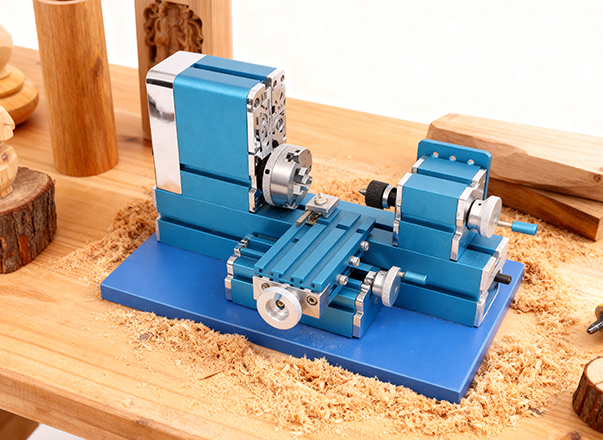
Even more significant is the introduction of miniature safety machine tools for students. These miniature machine tools are scaled‑down prototypes of industrial‑grade machines, featuring small size, light weight, little floor space, and the ability to process a wide range of materials.
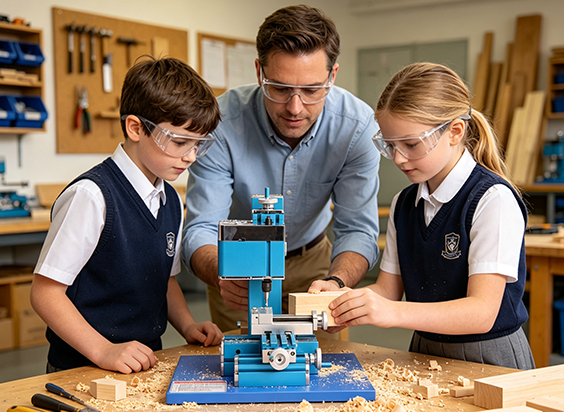
The milling machine operates on a safe power supply, with no plastic parts in its body, greatly enhancing its stability and durability.
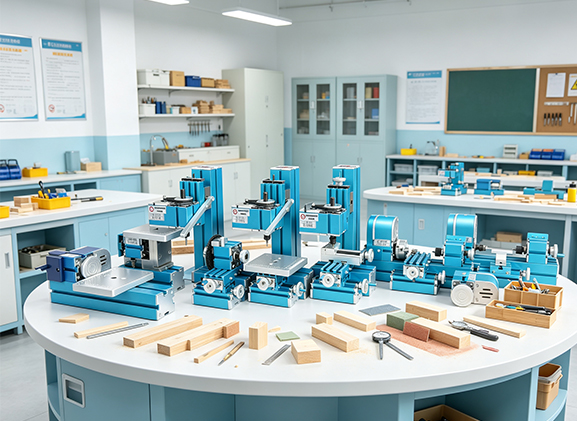
In the woodworking workshop, children think like real engineers: first design the blueprint, then select and prepare materials, proceed with machining and assembly, and finally test and improve.
A primary and secondary school makerspace is a comprehensive venue that facilitates project-based learning, innovative practice, and interdisciplinary integration for all students. Its core objectives are to cultivate students’ innovative thinking, problem-solving abilities, hands-on practical skills, and teamwork awareness.
