 中文版
中文版






 Location:
Wood is highly workable and easy to handle, making it very suitable for beginners to make prototypes, and it is also a good place for experienced makers to calm their minds.

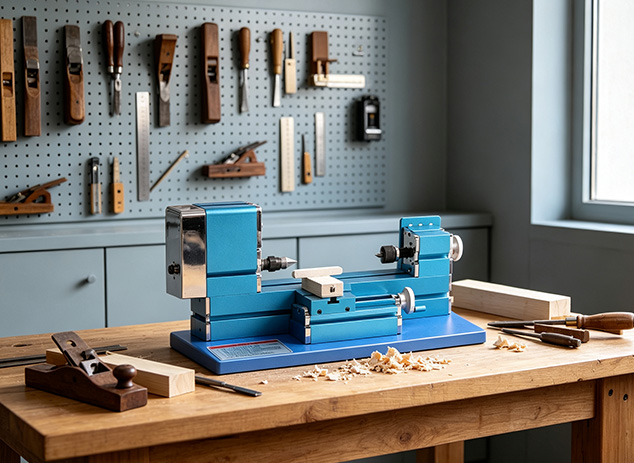
Wood is highly workable and easy to handle, making it very suitable for beginners to make prototypes, and it is also a good place for experienced makers to calm their minds.
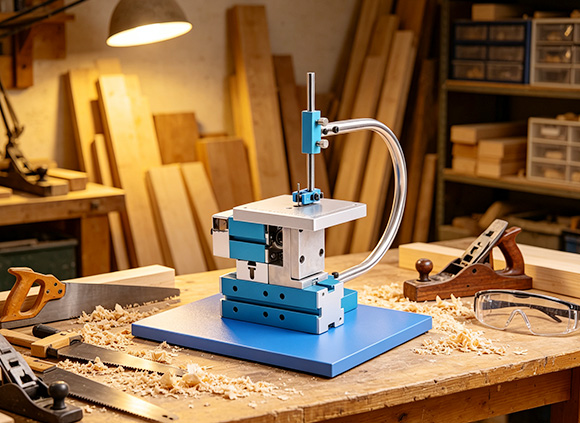
As a maker tool integrating safety, practicality, and educational value, the Student Safety Machine Tool is redefining model making and engineering education on campus.
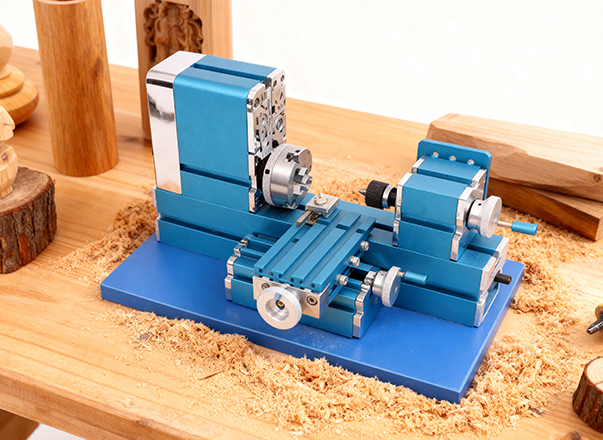
Even more significant is the introduction of miniature safety machine tools for students. These miniature machine tools are scaled‑down prototypes of industrial‑grade machines, featuring small size, light weight, little floor space, and the ability to process a wide range of materials.
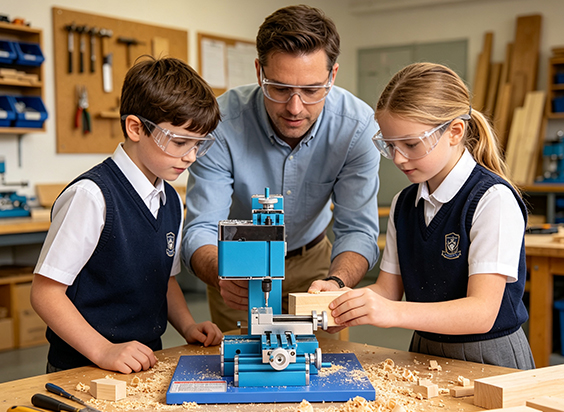
The milling machine operates on a safe power supply, with no plastic parts in its body, greatly enhancing its stability and durability.
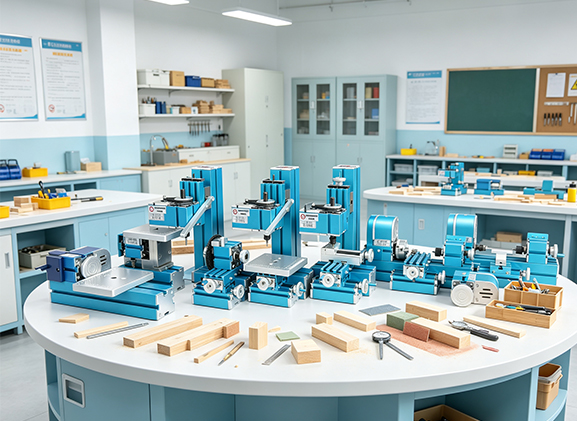
In the woodworking workshop, children think like real engineers: first design the blueprint, then select and prepare materials, proceed with machining and assembly, and finally test and improve.
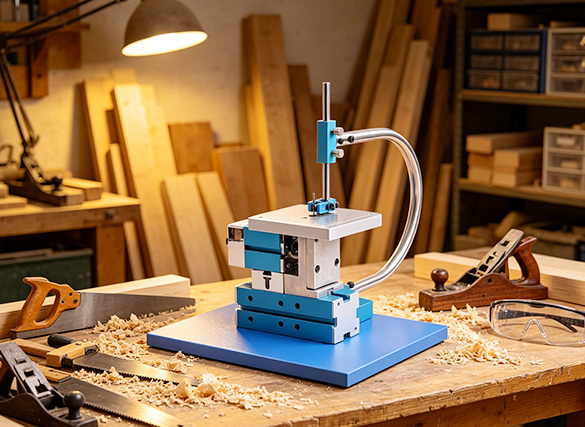
A primary and secondary school makerspace is a comprehensive venue that facilitates project-based learning, innovative practice, and interdisciplinary integration for all students. Its core objectives are to cultivate students’ innovative thinking, problem-solving abilities, hands-on practical skills, and teamwork awareness.
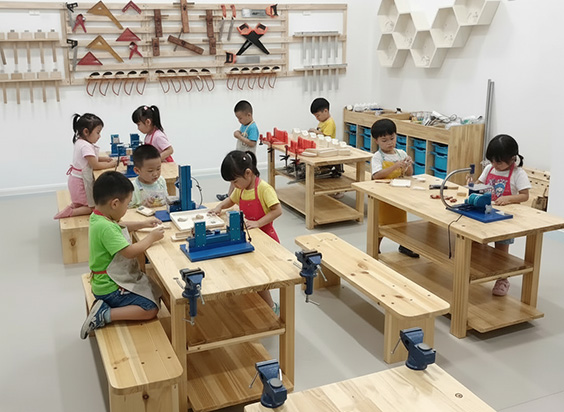
In the actual operation of maker spaces, students act as both designers and engineers. They first plan through thinking and design, and then use the micro machine tools to build the products in their minds.
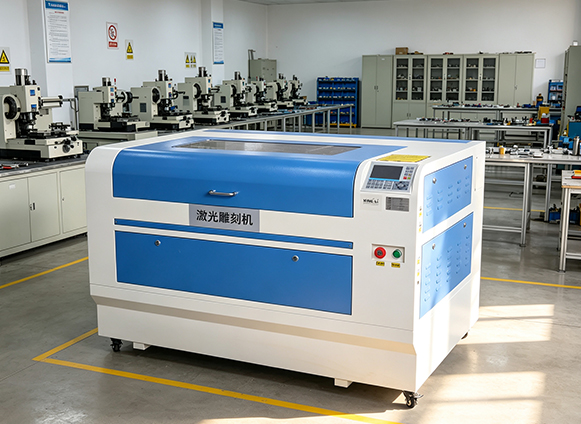
With the continuous improvement of educational equipment standards and the ongoing enrichment of curriculum resources, laser engraving machines will play an increasingly important role in primary and secondary school labor technology education and maker education
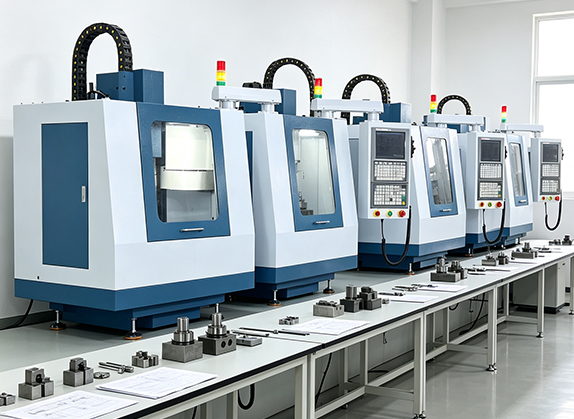
With limited floor space, tight budgets, and high demands for teaching adaptability, how to precisely procure small machining centers, desktop 5‑axis equipment, and other teaching tools has become a core issue for procurement officers in these institutions.
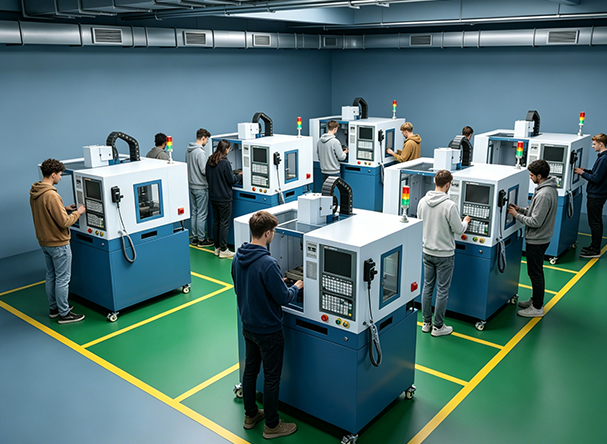
Stepping into the CNC training center of today’s vocational colleges, you might be surprised to find that the center stage is no longer occupied by those industrial-scale behemoths weighing several tons. Instead, what you see are compact, fully functional small CNC milling machines.
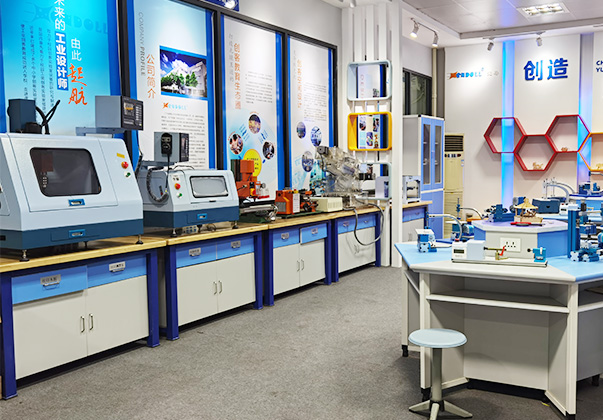
the small CNC lathes in the engineering training center continue to run day and night, guiding batch after batch of students through the journey from "reading a blueprint" to "producing a qualified part."
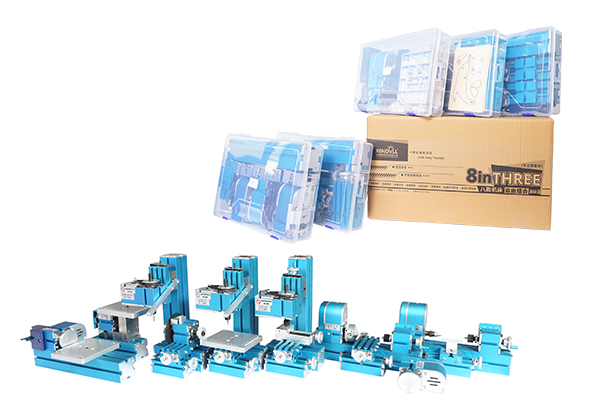
The professional kit can be assembled into 8 different types of machine tools (metal sawing machine, metal turning/lathe, metal turning/centre lathe, metal milling machine, metal drilling machine, metal grinding machine, metal hand-held machine tool, and metal indexing drilling machine), with any 3 functions available for simultaneous use.
